(Image: PA Images / Alamy)
Last Updated: 2 May 2026
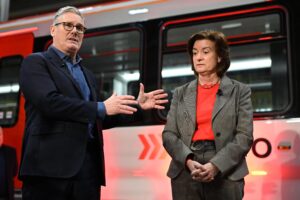
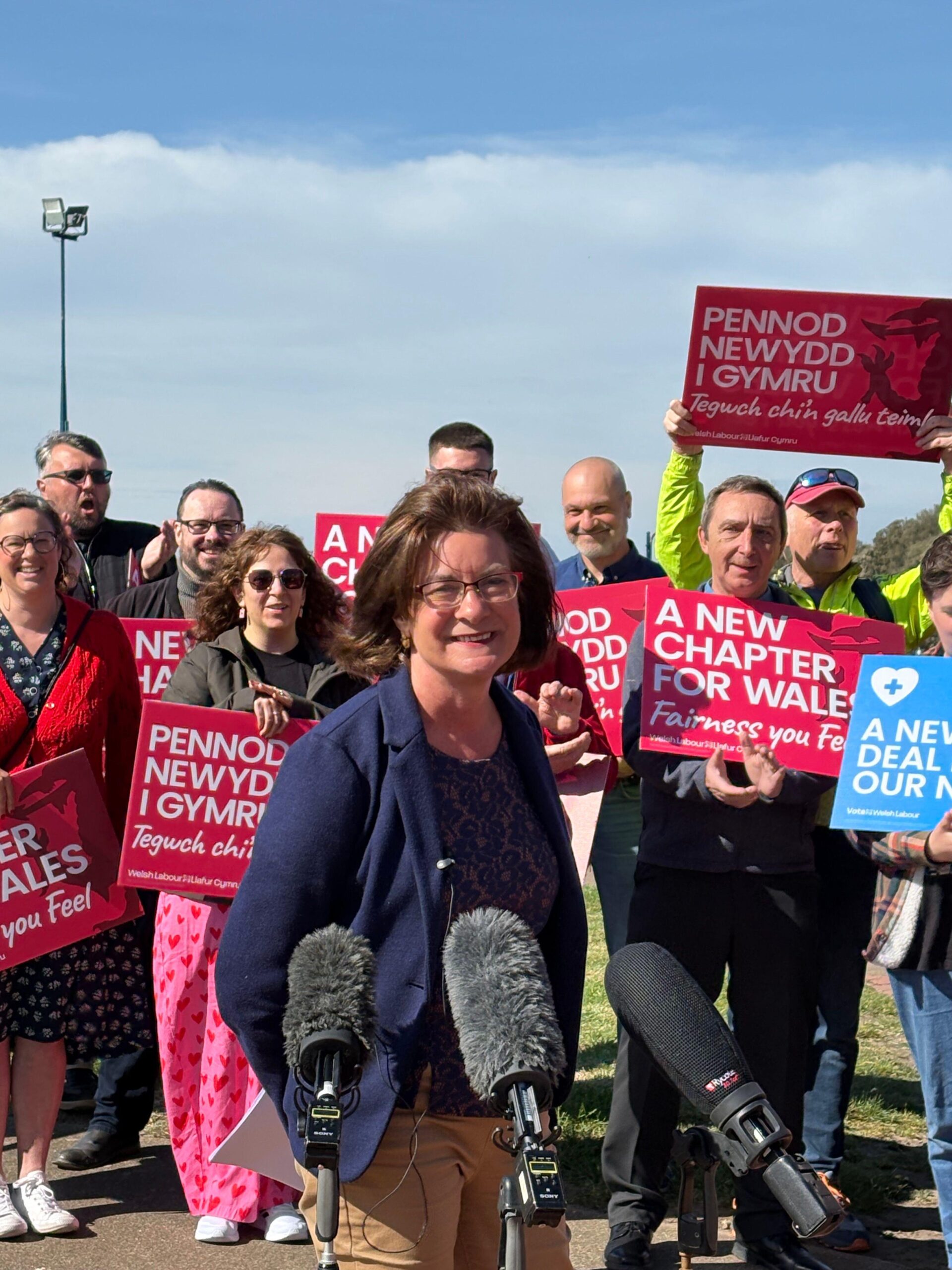
Welsh Labour has put a £347m price tag on a selection of its key manifesto commitments through to 2030, becoming the first party in the Senedd election campaign to release such figures, according to BBC Wales.
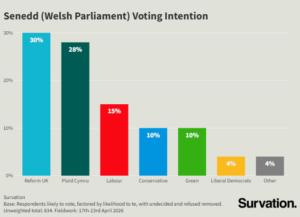
The announcement, made at a launch event in Barry Island, came after Reform had thrown down the gauntlet to rival parties during a BBC leaders debate earlier in the week, demanding they spell out how much their promises would cost.
What’s included – and what’s missing
Among the policies costed are a £20m plan for free school meals in secondary schools, a £40m commitment to £2 bus fares, and £100m to extend childcare provision to all two-year-olds. Part of the funding would come from increases to Welsh Government funding via the UK Government.
However, several major spending commitments were absent from the document. A £4bn programme for new hospitals – including rebuilding the University Hospital of Wales in Cardiff – was not included, with Labour saying health boards should develop their own plans. The document states the hospital programme would span a decade and draw on a combination of Welsh Government and private finance. Additional funding needed to boost pay for school support staff was also left out of the costings.
Morgan’s challenge to rivals
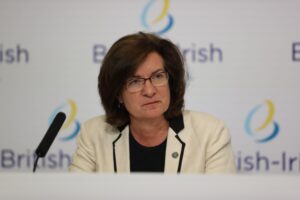
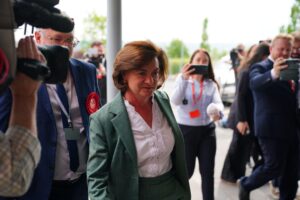
Welsh Labour leader Eluned Morgan used the publication to challenge Plaid Cymru in particular, claiming the party’s childcare pledge – extending provision to 20 hours a week from nine months old – would alone cost £400m.
“You need around £360m to give an uplift to public sector pay workers, that is not accounted for in Plaid’s money,” she said, accusing Plaid of leaving nothing in the pot for pay rises next year.
“The claims made by other parties are so ludicrous in terms of their ability to deliver on what they’re saying. I think we’ve got to get people to understand the risk here.”
Morgan also called on all other parties to follow Labour’s lead, telling BBC Wales: “There are all kinds of promises being made and we know that those promises don’t add up. We’re showing our workings out and we’re challenging other parties.”
In a lighter moment at the event, Morgan accidentally urged the crowd to vote for Plaid Cymru while addressing them in Welsh.
Party reactions
Plaid Cymru dismissed the publication as a stunt, with a spokesperson calling it “a political gimmick which smacks of panic and desperation”.
“It includes nothing on tackling NHS waiting lists, nothing to address the most glaring legacy of Labour’s failures in government,” they said, adding that Plaid’s own key commitments had already been made public and independently assessed by an economist. The party also insisted it had no intention of freezing public sector pay.
Reform’s Llyr Powell acknowledged Labour had taken a step but said the costings fell short. “It’s a step in the right direction what Labour has done today, but it is not the full costed detail that they’re claiming it is to be. Where’s the money coming from for the big project spends that they’re claiming to have?” he said, also calling on Plaid to release its own figures.
Reform’s own position on publishing costings remained tied to Plaid’s next move. Speaking to the BBC during the week, Nigel Farage said: “We’re challenging Plaid and saying right – if you release your figures, we will release our figures. At the moment, its a stalemate. Are we ready? Yes.”
Conservative Senedd leader Darren Millar said he would be happy to publish his party’s costings if other leaders did the same, adding: “All of our manifesto costings are credible. We’ve we’ve done our sums as you would expect us to.”
Welsh Liberal Democrat leader Jane Dodds said she would not publish spending plans, saying she knew she would not become first minister and instead wanted to “influence government”.
A Green spokesperson said the party had costed key pledges such as bus travel, and pointed to revenue-raising measures in its manifesto to help offset costs.
Independent assessment
The Institute for Fiscal Studies’ David Phillips described the specific figures as “reasonable estimates of the cost of policies”, noting they were lower than amounts implied by other parties’ plans over the current Senedd term.
However, he cautioned that the £4bn hospital programme would bring “quite significant service charges” in the 2030s once completed, and warned that current budget plans imply cuts to NHS spending unless unallocated cash from the UK’s Spring Statement is directed towards health.
“Delivering this would still require cutting back some other areas – just not as much as delivering the bigger giveaways other parties propose,” he said.