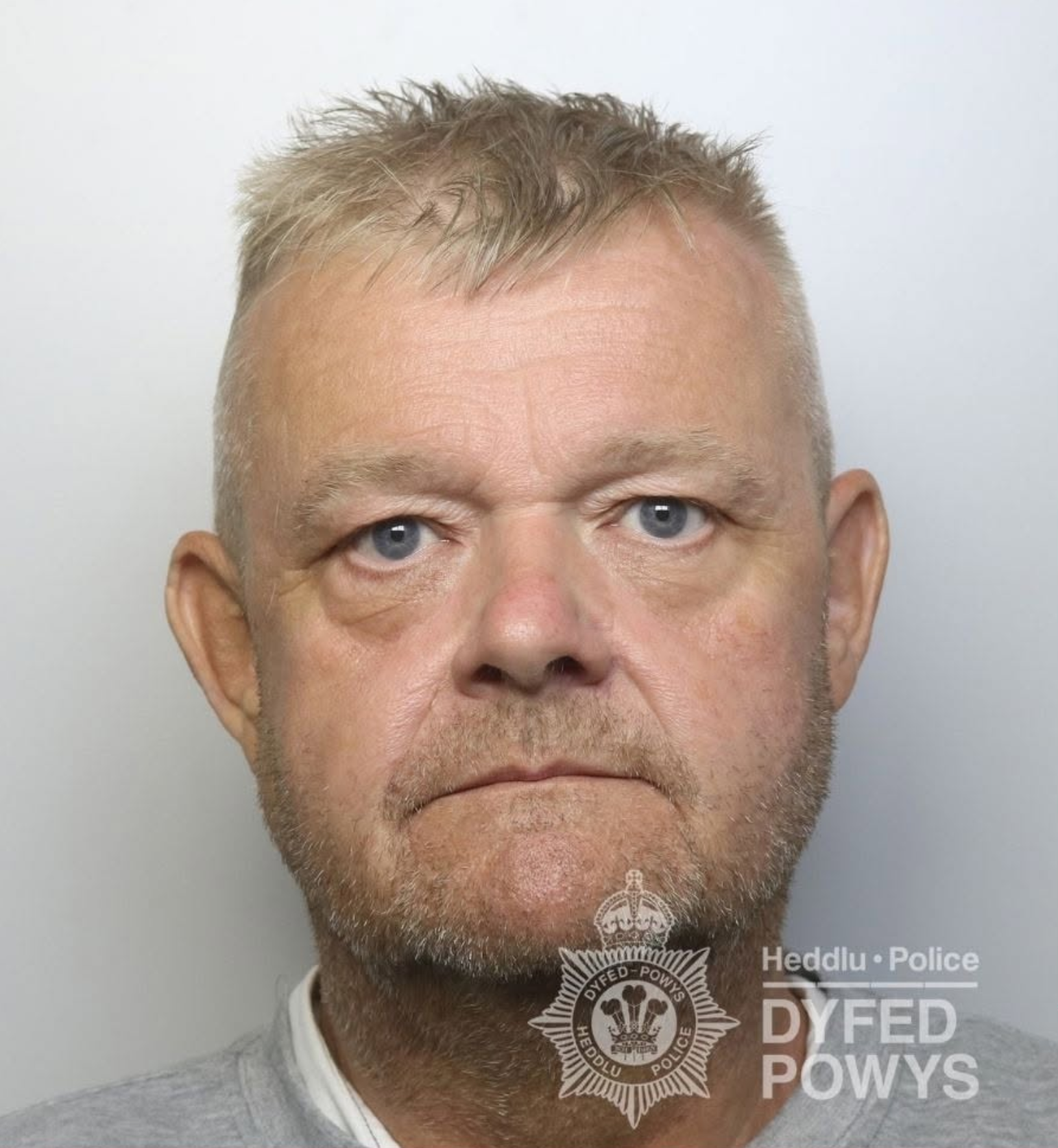
A 26-year-old man who ran a cocaine dealing operation across Swansea – and tried to recruit a runner with the promise of a motorbike and £50 a day – has been sentenced to four years in prison.
Harry Hassan, of Wern Terrance, Port Tennant, was locked up at Swansea Crown Court alongside two associates who helped him distribute the class A drug across the city. Callum Choudhury, 27, of Cardigan Crescent, Winch Wen, and Robert Maunder, 41, of Caernarvon Way, Bonymaen, each received two years and eight months behind bars.
All three had pleaded guilty to being concerned in the supply of cocaine. Hassan and Choudhury also admitted possession of cocaine with intent to supply. None of the defendants had any previous convictions.
How the gang was caught
The operation unravelled after officers in Swansea arrested a cocaine dealer named Matthew Oliver in January this year. Detectives examining Oliver’s phone were able to identify the number of his “upstream supplier” – the person providing him with his drug stocks – and traced it back to Hassan.
Messages on the devices also led officers to Choudhury and Maunder as further persons of interest. Oliver was sentenced to 40 months in prison in April for being concerned in the supply of cocaine.
The raids
On the morning of 4 March, police carried out a series of simultaneous search warrants at properties connected to the three defendants in the Bonymaen and Winch Wen areas of Swansea.
At a house in Chirk Gardens, Bonymaen, officers discovered Hassan in a bedroom alongside several phones with smashed screens near a damaged chest of drawers covered in broken glass. A further phone was recovered from beneath a mattress. Although none of the devices could be powered up, detectives were able to retrieve SIM cards from them.
At Choudhury’s home, officers had to force entry and detained him as he attempted to escape through a rear door. In the kitchen, they found a black safe sitting on a windowsill along with bags of cocaine, £440 in cash, and weighing scales inside a cupboard. A Nokia phone discovered in the bathroom turned out to be holding the drugs line number. When the safe was forced open, it contained three packages of cocaine totalling 34g at 81 per cent purity.
At Maunder’s family home, officers arrested him and found two sets of scales bearing traces of white residue along with empty snap-seal bags in a bedroom safe.
All three answered “no comment” to every question during police interviews at Swansea Central Police Station.
The operation
Prosecutor Dean Pulling told the court Hassan sat at the top of the hierarchy, with Choudhury and Maunder working directly beneath him. Messages showed Hassan directing people to his co-defendants to collect deals and instructing them to carry out drop-offs. Choudhury had been entrusted with storing the drugs at his family home and holding the drugs line phone.
The messages also revealed Hassan’s offer to buy Choudhury a motorbike and pay him £50 daily to deliver drugs on his behalf.
An examination of Hassan’s finances showed that between August 2025 and February this year, £183,639 was paid into his HSBC account – mainly from third-party credits but also including payments from gambling companies.
What the defence said
Jon Tarrant, representing Hassan, said the common thread among all three defendants was that none had any previous convictions, which he suggested “gives some indication of the nature of the drugs operation”. He said Hassan had not displayed “the level of bravado that one might expect from someone involved in this level of operating” and was in a stable relationship with a “fine upstanding young lady”.
Alex Scott, for Maunder, said his client had worked hard since leaving school as a welder, fabricator, and latterly as a maintenance engineer at a local firm for six years – a position that had been kept open for him while he was held on remand. The barrister said Maunder’s recreational drug use had spiralled into something “out of his control”, with the defendant at one stage consuming 3g of cocaine a day and spending more than £500 a week. His involvement in dealing was “born from the extensive addiction he was seeking to fund”.
Stuart John, for Choudhury, told the court his client had only ever used cannabis recreationally until around four years ago, when the suicide of his brother led him to “almost immediately” start using cocaine. That use quickly became an addiction which ultimately brought him before the court. The advocate described Choudhury as a forklift truck driver who had “led a good life” but found himself “simply unable to cope” following his brother’s death and had made a “terrible mistake”.
Sentencing
Judge Catherine Richards said each defendant had played their part in supplying drugs to the community, motivated either by greed or by a desire to fund their own habit. She told them that drugs ruin the lives of individuals and their families and have significant impacts on the wider community.
All three received one-third discounts for their guilty pleas. Hassan was sentenced to four years in prison, while Choudhury and Maunder each received two years and eight months. They will each serve up to half their sentences in custody before being released on licence to serve the remainder in the community.
The judge acknowledged that the sentences handed to Choudhury and Maunder were capable of being suspended – noting that from 22 March this year, sentences of three years or less can be suspended rather than the previous threshold of two years – and accepted there was a realistic prospect of rehabilitation for both. However, she said the seriousness of the offending meant the only appropriate punishment was immediate custody.