A prisons ombudsman investigation has laid bare the disturbing final weeks of a convicted killer who took his own life behind bars at one of England’s highest-security jails.
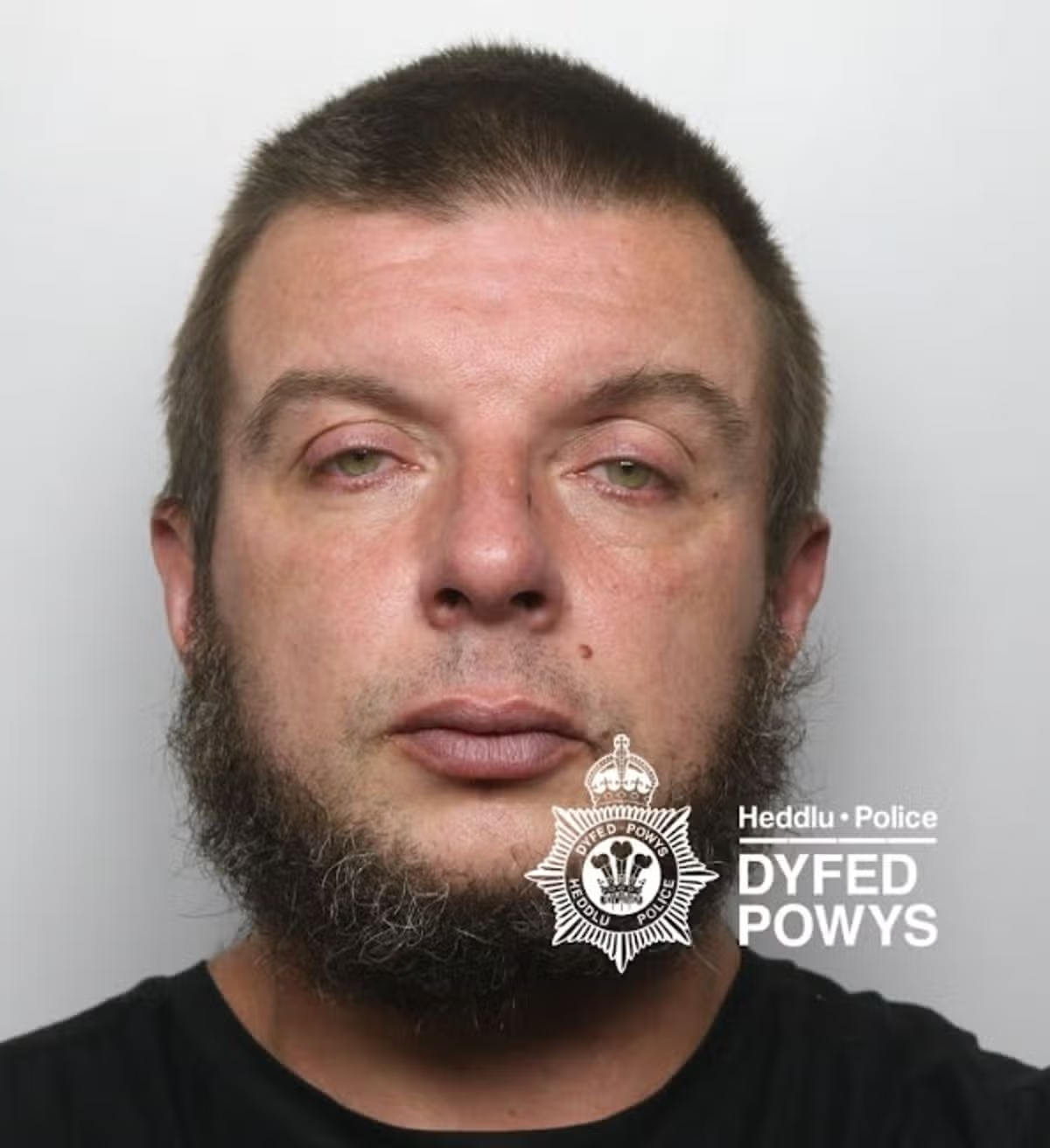
Emmett Morrison, 40, was discovered hanged inside his cell at HMP Long Lartin in Worcestershire on October 16, 2024 – less than two years into a life sentence with a minimum term of 28 years.
The crimes
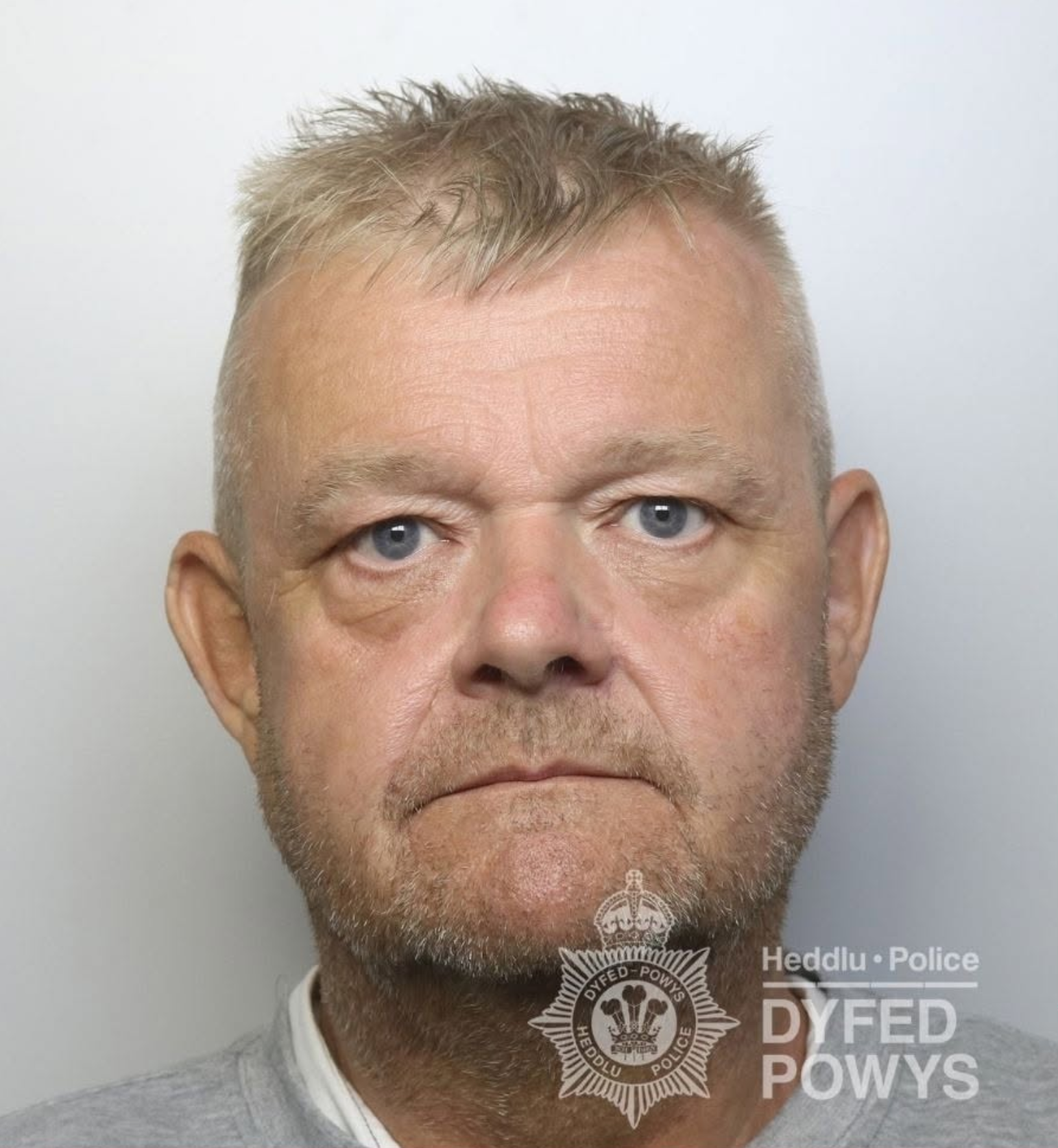
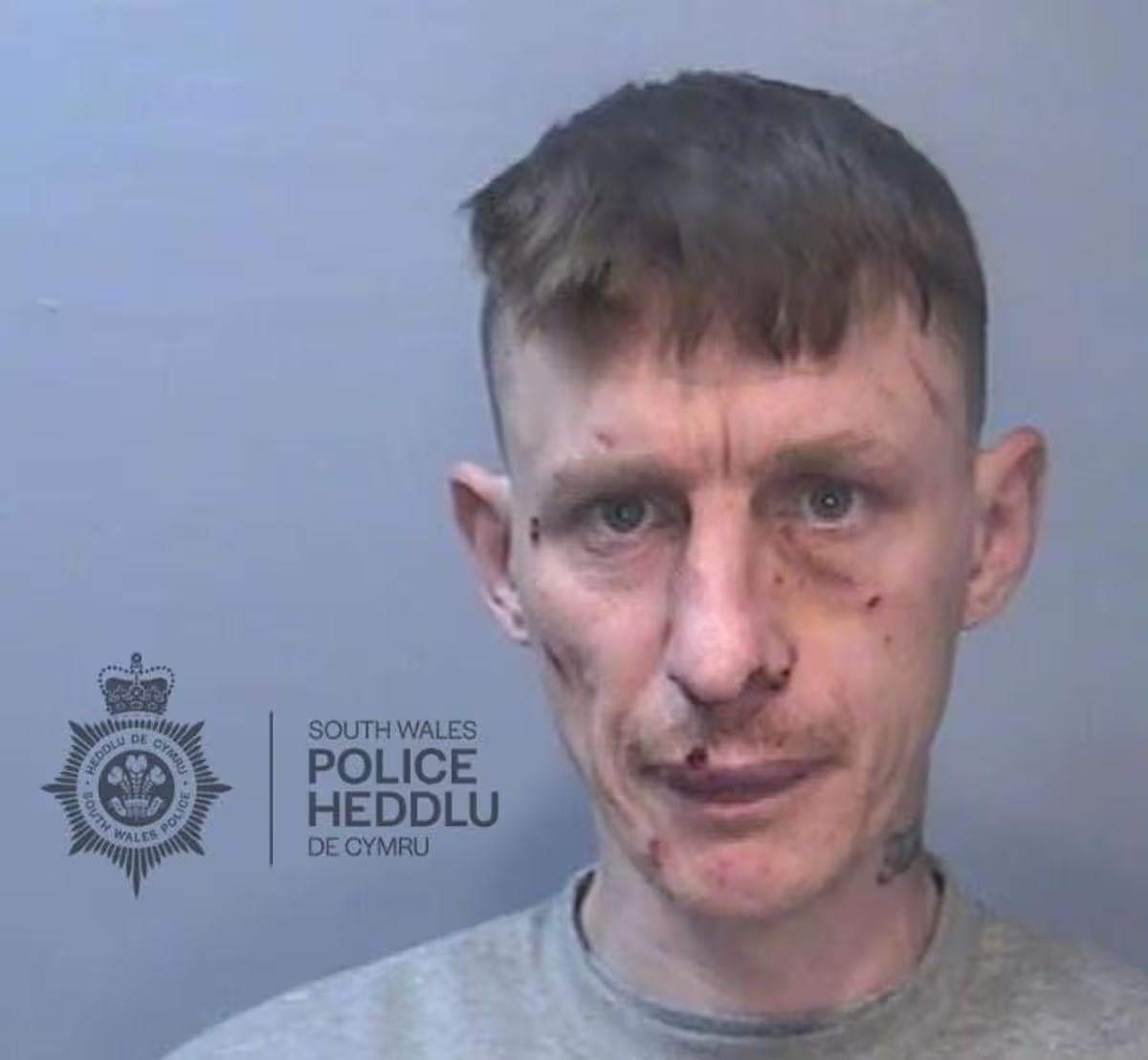
Morrison had been convicted at Swansea Crown Court of murdering 66-year-old Timothy Dundon and committing grievous bodily harm against a second victim, 74-year-old Antonio Aprea.
The court was told Morrison had been described as a “parasite” who took advantage of Mr Dundon, his neighbour on the Caerwern housing estate in Neath. On April 25, 2022, the pair had visited the Caerwern Premier Store together on multiple occasions to purchase whisky. After returning to Mr Dundon’s flat and drinking together, Morrison fell asleep there.
He later subjected Mr Dundon to a savage beating with a blunt object before leaving him to die alone. Morrison then walked the short distance to the home of Mr Aprea on nearby Llygad-Yr-Haul, forced his way inside demanding Valium tablets, and attacked the pensioner with a knife – gouging his eyes.
During his trial, Morrison had called Mr Dundon his “drinking partner and friend” and claimed he woke to find the older man sexually assaulting him. He said he lost control, punched Mr Dundon, and then blacked out with no memory of what followed. Judge Paul Thomas KC rejected the account entirely at sentencing in December 2022, stating Morrison’s claims were an attempt to blacken his victim’s name.
Spiralling behaviour in prison
The report by prisons ombudsman Adrian Usher revealed Morrison had been battling significant addiction problems throughout his time in custody. He was repeatedly discovered under the influence of spice – the Class B synthetic drug designed to mimic cannabis, sometimes referred to as the “zombie drug” because it can leave users contorted in unnatural positions for hours.
Three months before his death, staff found Morrison intoxicated on an illicit substance. A subsequent search of his cell uncovered five litres of fermenting liquid – known as “hooch” – illegally brewed alcohol that has long been a problem across the UK prison estate. Morrison admitted to staff he owed money to fellow prisoners for drugs and mobile phones but would not identify anyone by name.
The final days
Six days before he died, Morrison began what is known as a “dirty protest” in his cell. Mr Usher wrote: “A dirty protest is when a prisoner defecates, urinates or uses other bodily fluids to soil their cell.”
“Mr Morrison gave no reason for the escalation in his poor behaviour but refused to clean his cell and himself when requested. His dirty protest continued.”
After three days, officers decided to relocate Morrison from his upper-landing cell to a clean one on the ground floor. Mr Usher noted: “The investigator was told that this decision was made due to Mr Morrison throwing urine from his window onto cells below and attempting to throw urine or other fluids through the gap in his door as staff passed by.”
The response
At 3.10pm on October 16, prison officers escorted Morrison to the ground-floor cell without the use of force. Just 16 minutes later, an officer discovered him hanged.
The ombudsman raised concerns about the initial response. Mr Usher wrote: “When the officer checked on Mr Morrison and saw him hanged, he alerted his colleagues and nursing staff, but did not immediately enter the cell.”
“He took the decision to wait for his colleagues to be with him at the cell before entering. Fortunately, his colleagues were not far away, and it was around one minute from finding Mr Morrison to staff entering the cell. However, this could have been much longer had they not been so close.”
Mr Usher added: “We accept that staff will carry out a dynamic risk assessment, using prior knowledge of the prisoner’s behaviour and other factors such as presentation and whether a shared cell before entering. However, Mr Morrison was in a single cell, could clearly be seen with a ligature around his neck and was unresponsive.”
“When these facts were put to the officer during interview, he agreed that the response could have been quicker. We bring this to the governor’s attention.”