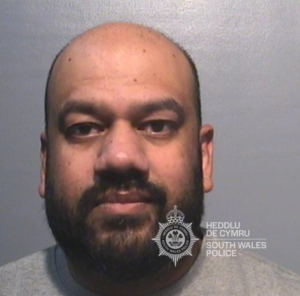

Samuel Harvard (Image: South Wales Police)
Last Updated: 1 minute ago
A cocaine dealer who picked up his phone expecting a customer on the other end of the line instead found himself speaking directly to a detective, Cardiff Crown Court has heard.
Samuel Harvard, 33, of Bryn Hir, Cwmbach, Aberdare, had been running drugs for others while simultaneously building up his own customer base – all while subject to a suspended prison sentence for stalking.
The phone call
Prosecutor Megan Eckley told the court that officers had identified a phone number of interest during the examination of data downloaded from a device seized as part of a separate, earlier investigation. In March this year, a detective dialled the number, and Harvard answered.
Police then attended the defendant’s home address, placed him under arrest, and took possession of his mobile phone. Harvard voluntarily provided officers with the PIN to unlock the device.
What the messages revealed
Analysis of the phone’s contents painted a picture of a man operating at two levels of the drugs trade. Messages showed Harvard had been receiving directions from an unidentified individual, instructing him to carry out deliveries. But the evidence also made clear he had gone further – obtaining cocaine on credit and selling it independently to his own contacts.
In one exchange, Harvard told his handler he was unable to complete a drop-off because his car insurance may have lapsed after a missed payment. The contact responded by saying the insurance costs would be taken care of and that making the delivery would clear a £300 debt Harvard owed.
Defence arguments
Harry Dickens, representing Harvard, told the court his client had become drawn into dealing through “his own difficulties” and drug addiction. He pointed to a recovered message in which Harvard had asked for just £5 for petrol to complete a delivery, arguing this was indicative of the low level of his involvement and the absence of any expectation of meaningful financial reward.
The barrister added that on the very day of his arrest, Harvard had been due to attend a job interview with supermarket chain Aldi and was partway through their recruitment process.
Sentencing
The court heard Harvard had two previous convictions for two offences, and that just two weeks before his arrest he had received a 16-week suspended sentence for stalking at magistrates’ court.
Recorder Alexander Hammond said the phone evidence showed Harvard had been working as a “runner” for others while also having “branched out” into dealing on his own account.
The recorder identified a significantly aggravating factor – messages on the device demonstrated that even on the day Harvard had appeared before magistrates and been sentenced for stalking, he had been involved in drug supply. Recorder Hammond said this showed a “disregard for the authority of the court.”
Harvard, who had previously pleaded guilty to being concerned in the supply of cocaine, was given a one-third discount for his plea and sentenced to 34 months in prison. Recorder Hammond also activated 12 weeks of the previously imposed suspended sentence to run consecutively, bringing the total to 34 months and 12 weeks.
He will serve up to half of the sentence in custody before being released on licence to complete the remainder in the community.