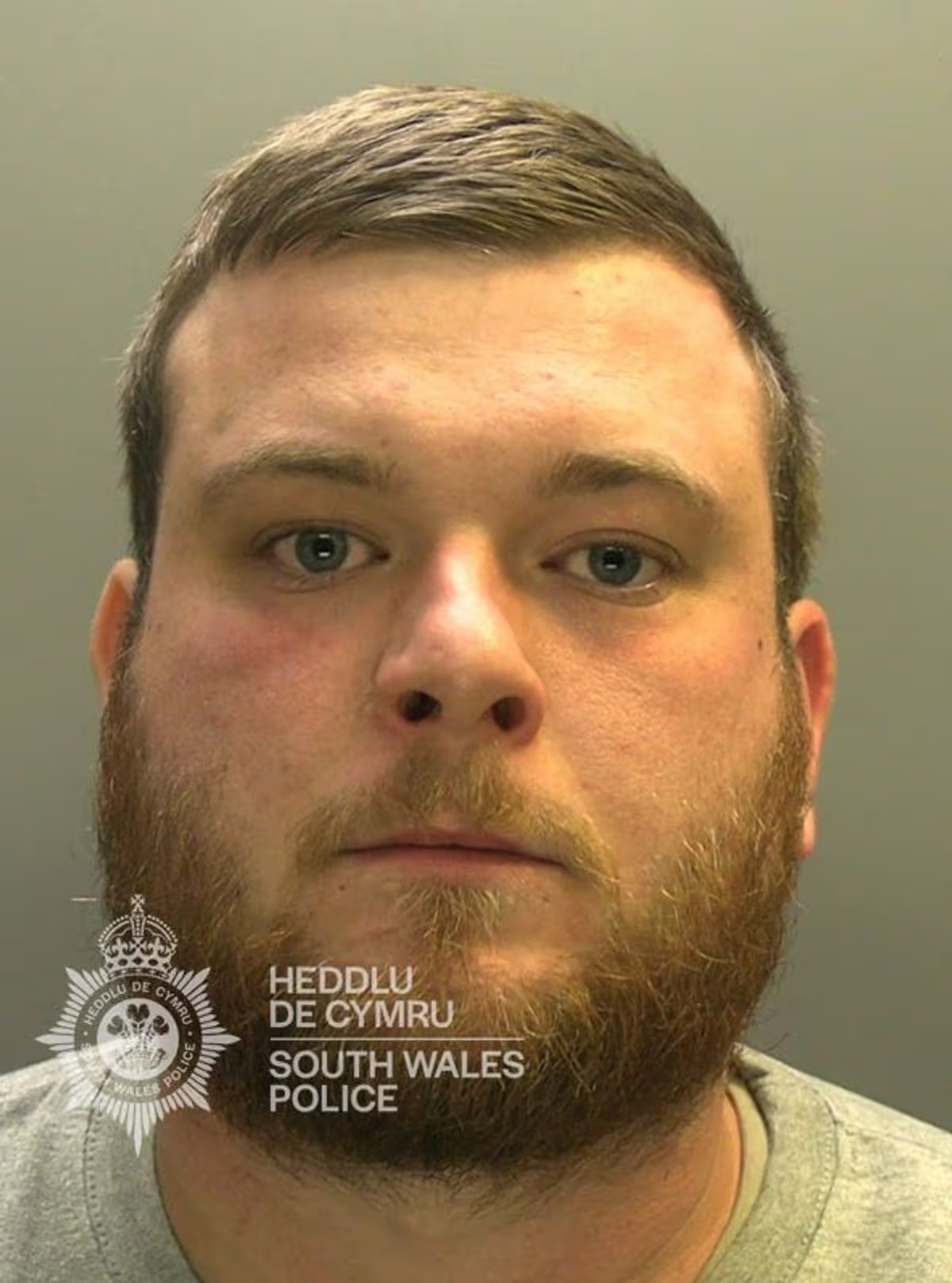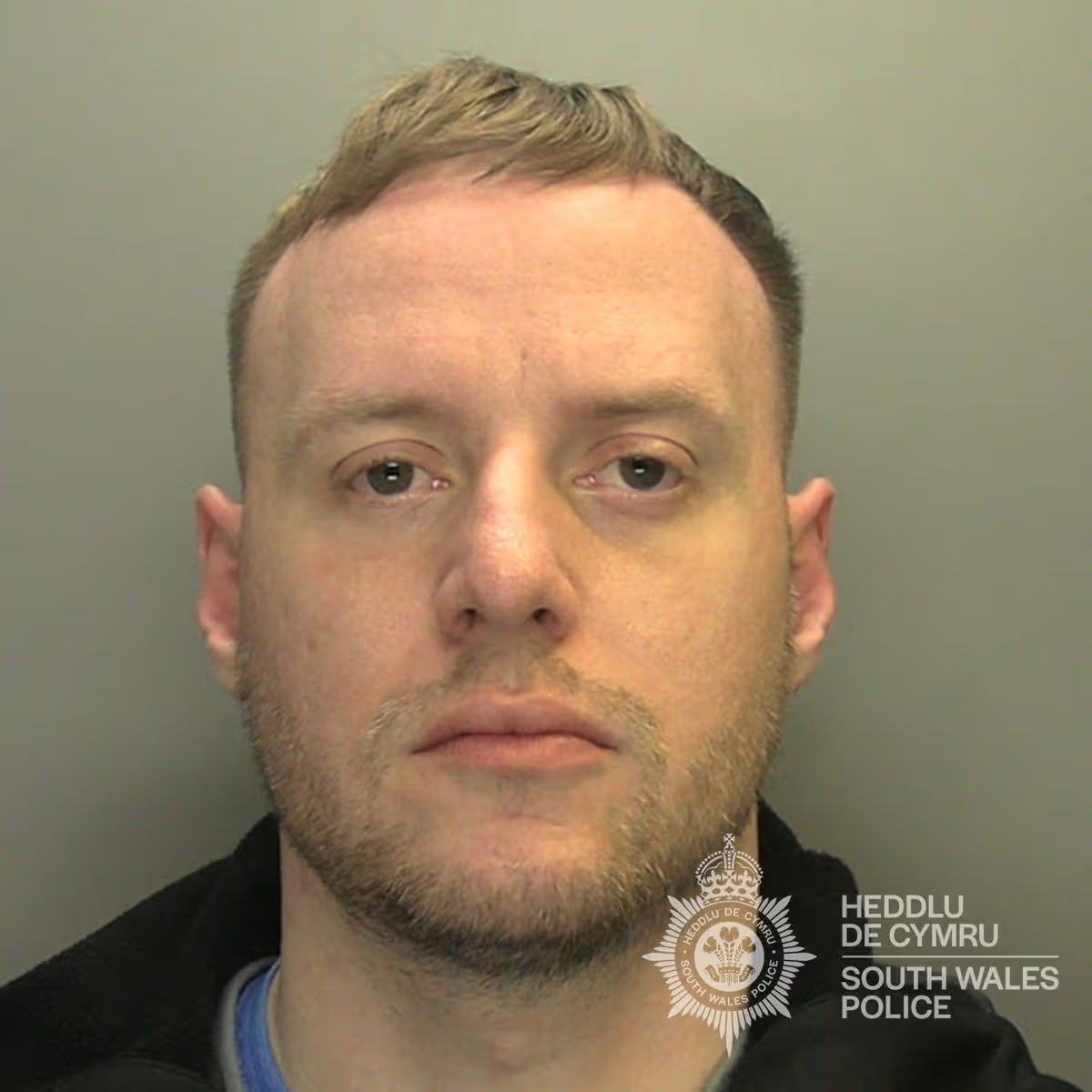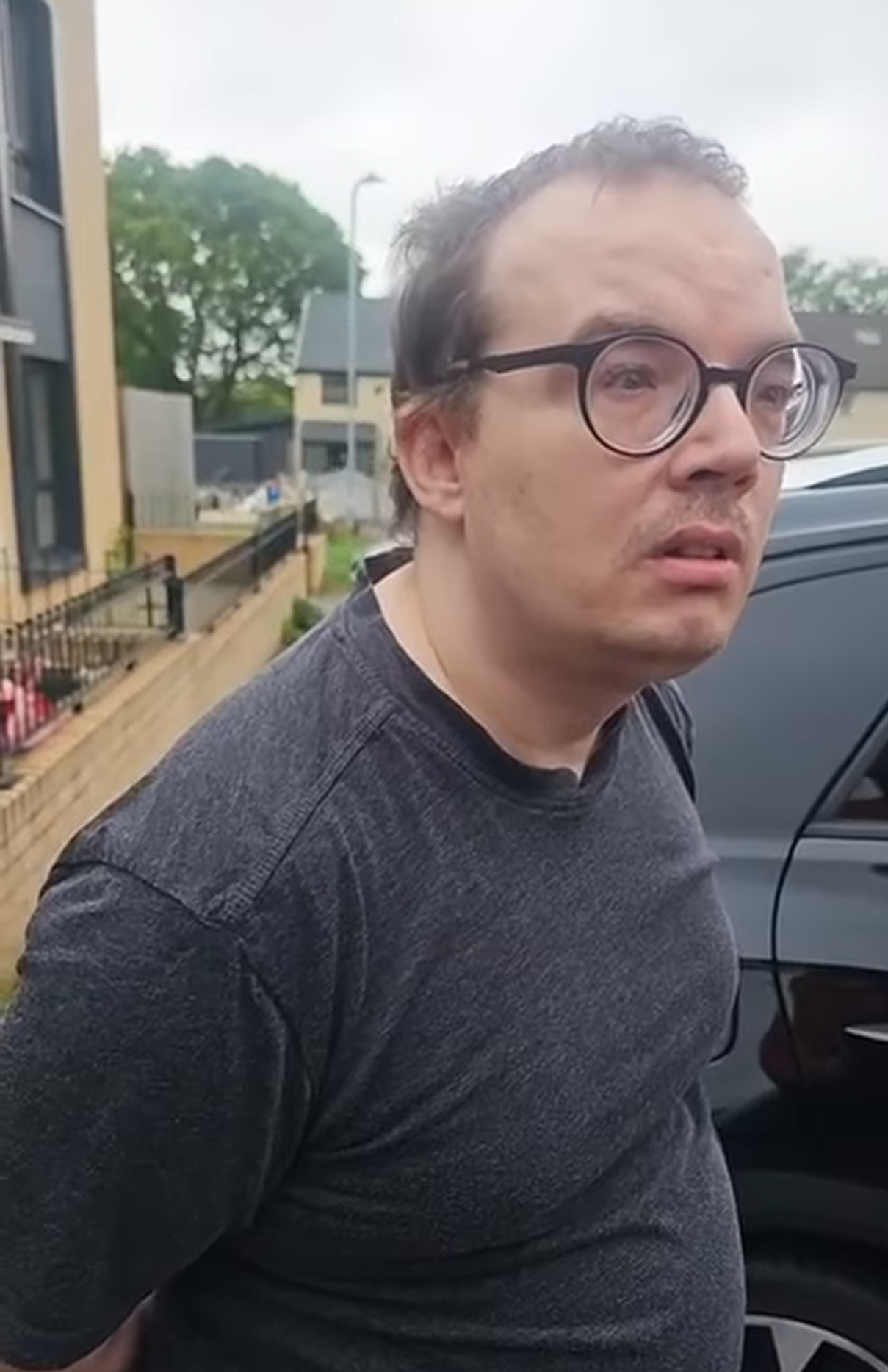
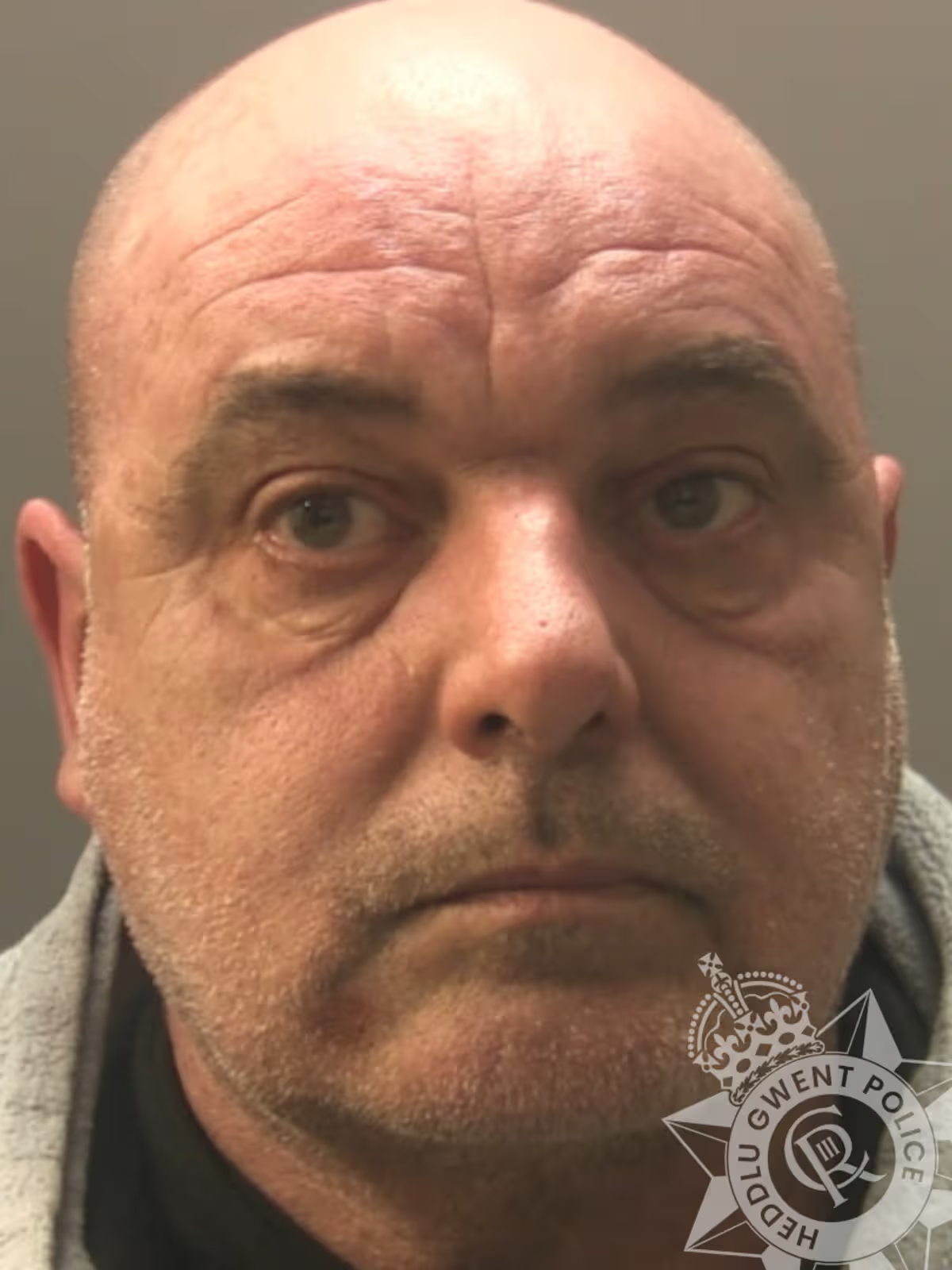
Andrew Perry (Image: Gwent Police)
Last Updated: 4 minutes ago
A driver who kept a serious eye disease hidden from the DVLA for over two decades has been sentenced to six years and 10 months in prison after striking and killing an 84-year-old woman at a pedestrian crossing.
Andrew Perry, 56, of Greenmeadow Bungalows, Caerphilly, was also banned from driving for life at Newport Crown Court after admitting killing Gaynor James in Pengam, Blackwood.
A hidden diagnosis
Perry was found to have been diagnosed with Stargardt disease – a rare inherited condition causing progressive central vision loss – as far back as 2002. An ophthalmologist concluded he had been driving with severely impaired eyesight for more than two decades.
On two separate occasions after being disqualified from driving, Perry reapplied for his licence without declaring any medical conditions. Judge Daniel Williams told him he had first done so in 2004, and again approximately three years after a 2009 disqualification.
Drink driving history
The court heard Perry had three previous convictions for four offences. He was dealt with at Miskin Magistrates’ Court in October 2003 for drink driving and again at Gwent Magistrates’ Court in 2009 for the same offence. He was disqualified from driving on both occasions.
The fatal collision
On February 22, 2024, Ms James was crossing Commercial Street in Pengam at a pedestrian crossing when Perry’s Ford Focus struck her. She had almost reached the pavement at the point of impact. Perry had his 15-year-old apprentice in the passenger seat.
Ms James was taken to the University Hospital of Wales but died the following day from her injuries.
Perry was breathalysed at the scene and found not to be under the influence of any substances. However, he was unable to read the letters of a number plate from 25 metres away during a roadside eyesight test. He told officers he had always struggled reading numbers and letters.
Perry claimed Ms James had stepped out in front of his car and that the collision was unavoidable. However, another motorist travelling in the opposite direction – referred to in court as Mr Lewis – told the court he could see Ms James from around 40 to 50 metres away and described her as “very visible” as she walked across the road with a walking stick and an umbrella.
Prosecutor Matthew Cobbe said: “As the defendant approached the crossing, plainly, he did not adjust his speed at all… Ms James collided with his windscreen. Ms James died later the next morning due to the injuries she had sustained in the collision.”
Family tribute
Ms James’ daughter Rhian Brooke read an impact statement to the court, telling the judge the loss of her mother had “left a gaping hole” in the lives of her and her sister.
Ms Brooke said at the time of the crash her mother “had been walking outside of her home, a place of familiarity.”
“My mother was so full of life, and she has been taken from us, by the actions of a stranger,” she said.
“My mother was a kind, gentle, thoughtful person who was respected by all who knew her… She was a strong, independent woman, excited about her future.”
Ms Brooke travelled to the hospital from her home in Somerset while her sister booked flights from Australia. Her sister was not able to see her mother before she died.
The court heard Ms James had flights booked to visit her daughter and grandchildren in Australia. Her passport arrived at her address the day after she died.
Defence arguments
Acting for Perry, Heath Edwards described his client as “devastated at the consequences of his actions.”
The court was told that driving was imperative to Perry’s business operations and a crucial part of his daily life – for things such as doing his weekly food shop and going to his grandson’s football matches.
Mr Edwards asked Judge Williams to consider Perry’s guilty plea and written statements from his wife and family friends, who described him as a “loving husband and caring friend, known to go out of his way to help others.”
The court also heard that immediate custody would affect Perry’s family, who are already behind on their mortgage payments, and his employees, who will be out of work.
Sentencing
Judge Williams noted that Perry had maintained his innocence for 10 months before changing his plea in April, resulting in a sentence reduction of around 15 per cent.
The judge told Perry: “Why did you not see Ms James crossing the road when others did? The answer to that is you have a long standing degenerative eye condition.”
“The harm your selfishness has caused is incalculable… Ms James’ long life got cut short because of your stupidity. She was a loved and cherished mother, grandmother and friend.”
“In my judgement, it is necessary to disqualify you from driving for life. For decades, you have driven with a degenerative eye condition, showing me your readiness to endanger the public.”
Perry was sentenced to six years and 10 months imprisonment and banned from driving for life. He will serve half of that term in custody and the remainder on licence. His wife wept in the public gallery as he was taken down.
Gwent Police response
PC Spencer Clease, the investigating officer, said: “This is a tragic case that has resulted in the needless loss of a life; my deepest condolences go to the family and friends of Gaynor James.
“Perry’s poor eyesight, caused by Stargardt disease, was a significant and dangerous factor for this entirely preventable collision. He should not have been driving.
“Perry’s decision to drive with poor eyesight led to the collision, causing the death of Mrs James who was crossing the road on her way to church.
“Following the collision with Mrs James, Perry failed a roadside eyesight test and claimed he couldn’t read or write. Due to the overwhelming evidence gathered by officers, Perry was left with little option but to plead guilty to the charge he faced in court.
“This case should serve as a reminder to everyone who gets behind the wheel – you have a personal responsibility to make sure our roads are as safe as possible and making sure your eyesight meets the standards of vision for driving is an important part of that. Your responsibility isn’t just to ensure your own safety, but the safety of everyone around you.”