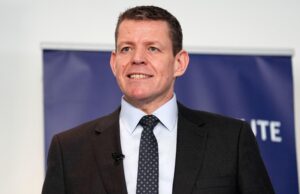
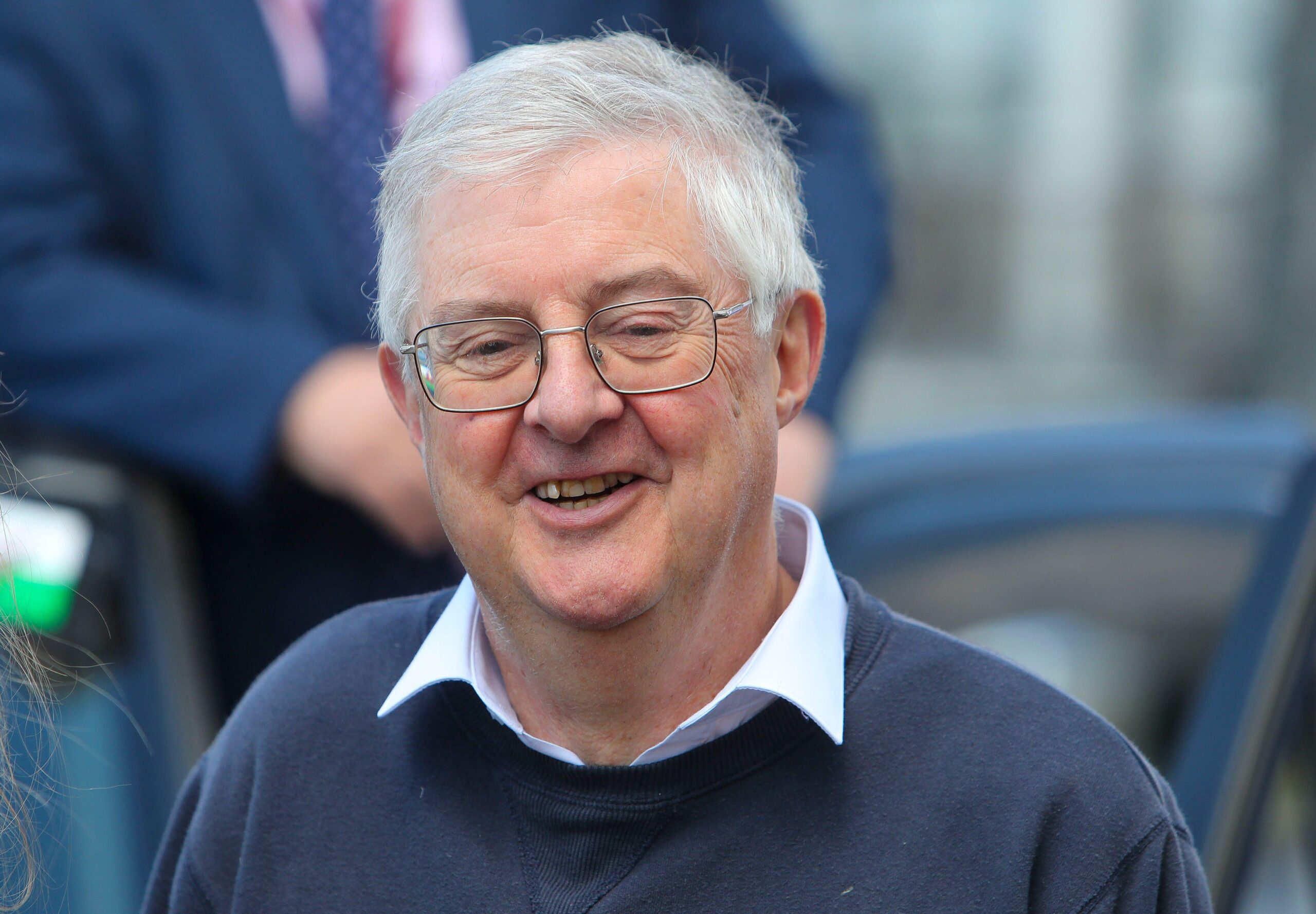
Mark Drakeford (Image: PA Images / Geoff Caddick / Alamy Stock Photo)
Last Updated: 27 January 2026
The Welsh government’s £27 billion spending package for the NHS, schools and public services has cleared its final hurdle after securing backing from Plaid Cymru. 💰
Welsh Labour found itself needing opposition support after last autumn’s Caerphilly by-election left the party two seats short of a Senedd majority. Following weeks of negotiations, Plaid Cymru agreed to wave the budget through in exchange for enhanced funding for local councils, health services and a £120 million infrastructure pot – described by insiders as a “golden egg” for whichever party wins May’s election.
Finance Secretary Mark Drakeford defended the spending plans during Tuesday’s Senedd debate, stating the budget “delivers again on the priorities of a progressive Welsh Labour government” and “provides security and stability for our public services, those who work in them, and even more so for those who rely upon them.”
Plaid Cymru’s finance spokesperson Heledd Fychan made clear her party’s support came with conditions, explaining: “Plaid Cymru providing much-needed stability for public services” rather than offering an endorsement. She confirmed Plaid would present its own budget “within the first 100 days of the next Senedd term” should they win power.
Opposition parties lined up to criticise the package. 📊
Conservative MS Sam Rowlands argued for tax relief, saying a 1p reduction in the basic rate would “save nearly £500 a year for Welsh families up and down Wales,” adding: “The truth is that on these benches we trust people to have money in their pockets, and we hear from the benches opposite that they want to take more money off people to spend it as they think better.”
Reform’s Laura Anne Jones delivered a stinging assessment, calling it a “zombie retirement budget from a dead-in-the-water government” that “does nothing to fix the deep problems facing our country.” She claimed “much of the headline figure is swallowed up by inflation, pay pressures and recycled funding, meaning the real impact on services and communities is far smaller than the ministers suggest.”
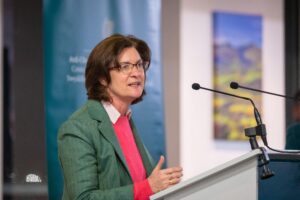
Liberal Democrat leader Jane Dodds, despite abstaining, acknowledged the consequences of rejection: “Not passing this budget would mean that we would have [had] budget cuts to essential services.”
The spending plans passed with 25 votes in favour, 13 against and 14 abstentions, securing the financial framework that will carry Welsh public services through to the May election.